
Diagnosing and Managing XLH
This section covers how XLH is diagnosed and managed, the doctors who may be part of the care team, and tests to monitor XLH over time.

Diagnosis
Starting the XLH Journey
The path to diagnosis for a rare disease like XLH can be challenging. For some people, it may take years and visits with many different doctors before they receive an accurate diagnosis. For others, the process may be quicker.
In the XLH Community Impact Survey, adults (n=33 respondents) were twice as likely as children to see 5 or more doctors before being diagnosed with XLH (n=30).1 This may be due to improvement in XLH disease recognition in recent years.2
Doctors may not be familiar with XLH given it is a rare disease.3 Because XLH shares some symptoms with other conditions, doctors may incorrectly diagnose XLH.4
Potential XLH Misdiagnoses in Children:*
- Nutritional rickets4
- Metaphyseal dysplasia (non-rickets cause of bone shape abnormalities)4
- Normal bowing of the legs that occurs in young children4
- Blount’s disease (a bone growth disorder that changes the shape of long bones, not caused by rickets)3
Other Conditions That Can Look Like XLH in Adults:*
- Fibromyalgia5
- Fanconi syndrome3
- Ankylosing spondylitis6
- Rheumatoid arthritis7
In cases where there is no family history of XLH, it is typically diagnosed around 1 to 2 years of age, when children start walking and leg bowing can become noticeable.8 For others, diagnosis may not happen until later in childhood or even in adulthood.8

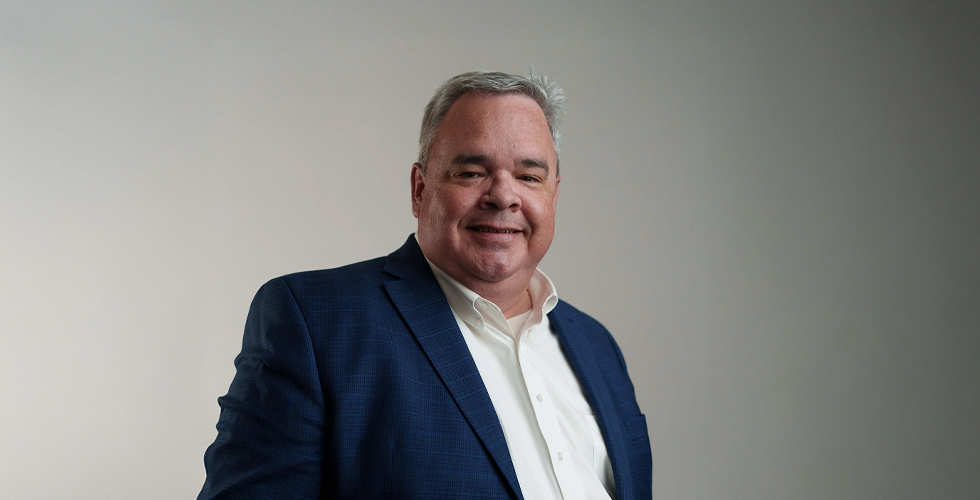

They checked my urine and it was high with phosphorus and my blood work was critically low. Then they did genetic testing for the PHEX gene and confirmed that I have XLH.
Jay
Living with XLH, Diagnosed at 40 years old
XLH is not a childhood disease: it’s life-long9
Myth
XLH is often thought of as a “childhood-only” condition.9
Fact
- XLH is NOT a “childhood-only” condition.9 There is a misconception that children will “grow out of it” based on the assumption that XLH is only about rickets.1
- XLH IS lifelong.10 Symptoms of XLH can continue, change, or worsen in adulthood.9
Learn more about symptoms of XLH over time.
Myth
Care for XLH is only needed until children stop growing.9
Fact
- Receiving care for XLH throughout life is important to ensure management of symptoms as they change.10
- Preparing early for care transitions can help people avoid gaps in care and address issues that may develop during adulthood.9 Care transition to adult providers can improve monitoring and timely access to appropriate interventions.9
Navigate to Key Transitions for more info about the pediatric to adult transition of care.
Because XLH is a life-long condition, an early and accurate diagnosis is critical to managing things like bone and dental health.10,11
Recognizing symptoms, finding a knowledgeable doctor, and learning about the diagnosis process can help those living with XLH make the most of visits with doctors.
Keep reading to learn more about diagnosis and the different doctors potentially involved in XLH care.
Diagnosing XLH
It can sometimes take time and multiple visits with different doctors to get an accurate diagnosis for a rare disease.12 In the XLH Community Impact Survey, XLHers surveyed shared that they saw 2-3 different doctors on average before reaching a diagnosis.1 Don’t get discouraged: persistence and preparation can make all the difference in finding answers and getting the care you or your child needs.
- Each person’s symptoms may be different3.
- The symptoms overlap with other more common conditions4 (see above for potential misdiagnoses).
- Although XLH is often inherited, there can be spontaneous cases.3 This means the genetic change did not come from either parent but instead occurs for the first time in the affected person.3
For more information to help prepare for doctor visits, see the section later in this chapter on Making the Most of Doctor Visits.
Clinical Tools
Doctors use different clinical tools to make an XLH diagnosis. Let’s take a look at what to expect in the diagnosis process.
Family and medical history
- A history of similar symptoms in family members helps doctors understand whether the symptoms are related to XLH or another condition.13
- The medical history of an individual may also lead to a diagnosis or personalized management approaches.13
Physical exam
- Physical exams may be different depending on the age of the person.14 They may include measuring height, evaluating the legs or the skull or joints, looking at how a person walks, and determining areas of pain.13-15 These exams may also include dental and hearing evaluations.14
Blood and urine tests
- Blood and urine tests are an important part of the diagnosis of XLH.13-15 Some of these tests are listed below. Healthcare providers determine which tests are needed for each patient.
- Serum phosphate
- Phosphate (also known as phosphorus) is a mineral that is essential for building bones and also plays a role in other important functions of the body.3
- Phosphate is usually low in people with XLH.3
- Importantly, normal serum phosphate levels vary with age, and are higher in children than in adults.16 Labs do not always report the correct normal range for age, which can contribute to delayed or wrong diagnoses.17
- Click here to learn more about the role of phosphate in XLH.
- Learn More
- Serum calcium
- Calcium is a mineral that, like phosphate, is important for building healthy bones.18
- Calcium is typically normal in people with XLH.4
- Vitamin D storage version, or 25 hydroxyvitamin D
- Vitamin D helps the body absorb nutrients including calcium and phosphate from the foods we eat to build healthy bones and teeth.19,20
- Before the body can use vitamin D from food or sunlight, the liver needs to process it into another form called 25 hydroxyvitamin D.21 This is an inactive, or storage form of the vitamin, which is then converted into the active form, 1,25(OH)2D in the kidneys.21
- Most vitamin D blood tests measure the level of 25 hydroxyvitamin D.21
- Active vitamin D (1,25 dihydroxyvitamin D)
- Active vitamin D tests are often ordered to check a person’s ability to convert the storage form of vitamin D to active vitamin D in the body.21
- Click here to find more information about the different types of vitamin D.
- Learn More
- Serum creatinine
- Creatinine is a waste product made by muscles during normal activity.22 Healthy kidneys filter it out of the blood and remove it through urine.22 A serum creatinine test measures how well the kidneys are working.22
- Fibroblast growth factor 23 (FGF23) hormone
- FGF23 is a hormone that acts on the kidneys to help the body maintain phosphate levels.23
- Multiple diseases can result in FGF23 levels that are too high. One of them is XLH.23
- Parathyroid hormones (PTH)
- PTH is a hormone produced by the parathyroid glands that helps the body control levels of calcium and phosphate in the blood stream.24
- In some people with XLH, PTH can be high.25
X-rays
- X-rays are an imaging test used in XLH to look at bones and, in children, growth plates.16 X-rays can help doctors understand bone health, evaluate fractures, and monitor the extent of rickets in children.14-16
Dental exam
- Dental exams check for tooth problems caused by XLH, such as dental abscesses, periodontitis (gum disease), or cavities.14,15,26
Genetic testing
- Genetic tests identify changes in genes and chromosomes that could be related to diseases.27 In people being evaluated for XLH, genetic tests are used to identify a change in the PHEX gene.14 This is the genetic change that leads to XLH and causes increased FGF23 levels.23
Other bone exams
- Additional exams help to measure:
- Knock knees, using intermalleolar distance (IMD)28
- Bowed legs, using intercondylar distance (ICD)29
Genetic Counseling for XLH
If genetic testing shows a variation in PHEX or another gene, health care providers may provide a referral to a genetic counselor.9 A genetic counselor is a trained healthcare professional who helps people understand genetic conditions. They work with individuals, families, and care teams.30
Because XLH is a genetic condition, an appointment with a genetic counselor can be helpful.16 A genetic counselor can:16,30
- Explain what XLH means for you and your family
- Discuss the chances of passing XLH on to future children
- Help with testing decisions
- Provide emotional support
- Help determine next steps after diagnosis
Genetic counselors bridge the gap between high-level medical providers that have a hard time connecting with families, and help families understand exactly what’s going on in their life and the role that genetics plays.

Susan Starling
Genetic Counselor
To find a genetic counselor near you, visit the National Society of Genetic Counselors (NSGC).
Doctors who Diagnose XLH
Each person’s experience with XLH is unique. XLH can show up in many ways at different stages of a person’s life.26 That’s why it’s possible for doctors from different specialties to make an XLH diagnosis.
Below are some of the types of doctors that may diagnose XLH:
- Primary care providers, pediatricians, internal medicine doctors, family medicine doctors1
- Geneticists (genetic disorders)1
- Endocrinologists (endocrine system including hormones and metabolism)1
- Nephrologists (kidney function)1
- Orthopedic Surgeons (bone and muscle function)1
- Rheumatologists (bone, muscle, and joint function)31
Not all the specialties listed above will always be involved in XLH diagnosis, while other specialists may play a role. The types of providers seen depends on the person and their specific needs.
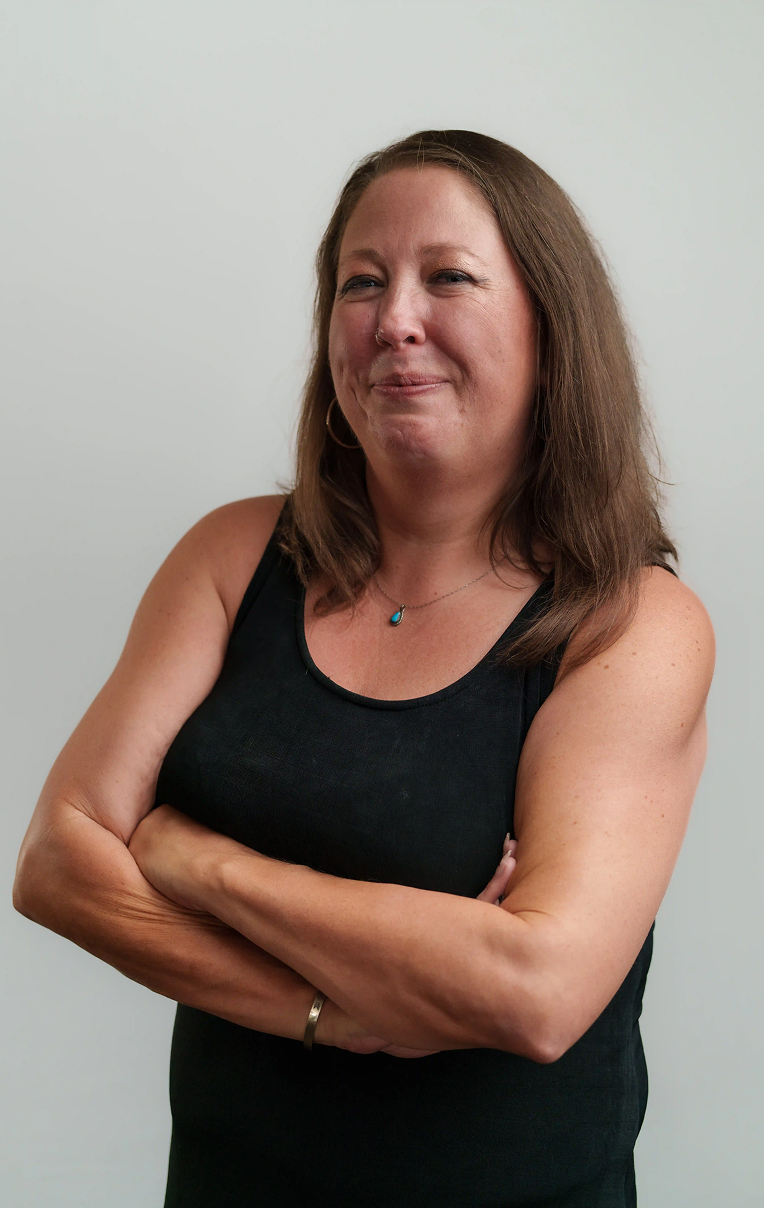
When you are a patient that requires more than one doctor, whether you have a rare disease or not, document what happens, document what you did, document what they said. You don’t have to start big, but you have to start somewhere. You are your best advocate. You know your body, so just write your body down. Document it.
Sarah
Living with XLH
XLH Care Team
Specialists on Your XLH Care Team
Because XLH affects many parts of the body, different kinds of doctors may help manage XLH.32 It’s helpful to know the different types of specialists so you can build the care team that you or your child needs.
Ideally, XLH would be managed by a multidisciplinary care team – a group of different doctors who work together to manage a condition.32 This team approach can most effectively manage long-term complications.32
Keep reading to learn about the different providers who can be a part of an XLH care team.
It’s important to look for a doctor who’s willing to listen to you and give you their time, not just brush you off. Don’t settle for a doctor who’s not willing to listen to you. There’s somebody out there who’s willing to help you.
Kate
Living with XLH
Potential XLH Care Team Managers
Your XLH care team might include the following specialists depending on your symptoms and needs. Not all of these providers are necessary for every person with XLH.
Endocrinologists
Track and manage the endocrine system including hormones, such as those that are important for growth in children and those that regulate bone health and strength in adults, such as XLH.9,33
Geneticists
Diagnose and manage genetic conditions, including XLH.34 Some geneticists may manage XLH themselves, whereas others refer to another provider for management after diagnosis.9
Nephrologists
Track and manage kidney health. Some nephrologists will manage XLH.9
Rheumatologists
Manage symptoms affecting bones, muscles, and joints.35
Additional XLH Care Team Members
Audiologists
Measure and help manage hearing, balance, ringing in the ears, and other ear-related symptoms.9,36
Dentists and orthodontists
Manage tooth and gum issues.11
Dietitians
Provide advice on food and nutrition.11
ENTs (Ear, nose, and throat doctors, also called otolaryngologists)
Support issues related to hearing.11
Genetic counselors
Provide education about the genetic nature of XLH, information for family planning, and emotional support.9,30
Neurologists
Help manage nerve pain and other nerve-related symptoms.32
Occupational therapists
Help people adapt to or change their daily activities.13,37
Orthopedic surgeons
Manage bone issues with surgery.11
Pain management specialists
Manage chronic bone or joint pain.38
Physical therapists
Prescribe specific exercises intended to promote muscle function, balance, and walking ability.37
Primary care providers, internal medicine doctors, family medicine doctors, or pediatricians
Manage ongoing general health care and coordination with specialists.32,38
Radiologists
Interpret X-rays, CT scans, and other imaging tests that can provide more information about bone health.11
Social workers and psychologists
Provide emotional support and community resources.11
Watch this video for advice on finding expert care for XLH.
Making the Most of Doctor Visits
Whether while seeking a diagnosis or receiving ongoing XLH care, every healthcare visit is an opportunity to build a diagnosis or care plan and strengthen communication with the healthcare team.
Before each visit
- Have your or your child’s medical and family history on hand, including any test results and discussion notes from previous doctors.
- Always bring a list of all prescription and over-the-counter medications and supplements that you or your loved one are taking, along with the doses.
- Take time to write down questions, concerns, and any changes in symptoms since the last appointment.
- Review notes from the last appointment.
- If you’re a caregiver, keep notes on your child’s growth, symptoms, or mobility changes.
- Ask a friend or family member to join you at your appointments. It’s helpful to have another person to advocate for you, listen and take notes, too.
During each appointment
- Let the doctor know your questions, concerns, or any new symptoms or changes in symptoms.
- Check off each of the items as you discuss them with your doctor.
- Take notes and make sure to ask follow-up questions or ask the doctor to explain something differently if you don’t understand.
After each appointment
- Review notes and follow-up on action items.
- Schedule lab and other tests and the next appointment, as appropriate.
- Be sure not to miss follow-up appointments without rescheduling, if needed.
Sample questions to ask during XLH-related doctor visits
- What tests will be done to monitor my/my child’s XLH?
- What does this test result mean in terms of my/my child’s health?
- Are there any important changes in my/my child’s labs?
- What signs or symptoms should I stay alert for?
- How will I know if XLH is progressing?
- How is XLH managed?
- Do you think it would be helpful to follow up with any other specialists for XLH symptoms?
- What other things can I be doing to improve my/my child’s health?
- What lab tests do I/my child need before my next appointment?
- When should my/my child’s next appointment be scheduled?
- What diet and exercise approaches should I consider?
Use these resources to help organize your questions and track your health.
Doctor discussion guide for patients at XLH Link.
Learn More
Doctor discussion guide for caregivers at XLH Link.
Learn More
Advocate for Care
Remember: you are the best advocate for yourself or your child. Sharing how symptoms change and the challenges you or your child face helps your care team make informed decisions and provide better support.
If your doctor is not familiar with XLH, you can help them learn about XLH as it relates to your or your child’s care:
- Share resources like this Guidebook or the XLH Community Impact Survey to help them learn about life with XLH
- Consider asking your doctor if they are familiar with the clinical practice guidelines for children and adults with XLH
Finding a doctor who knows about XLH or is willing to learn about managing the condition is crucial. It can also be important to find a doctor who you are able to build a productive, positive relationship with. If a new doctor doesn’t know about XLH and seems like they don’t want to learn about it, or you struggle to build a good relationship with them, it’s okay to look for another healthcare provider.
For caregivers, advocacy means being a voice for your loved one and helping them learn to use their own voice, too. Children with XLH may not always know how to describe their symptoms or speak up. That’s why it’s important to check in and ask questions that can’t just be answered with a “yes” or “no” to understand how they are feeling.
Having to find the care on my own is challenging and you have to come armed with information for whoever you do see.1
Caregiver of Child XLHer, responded to XLH Community Impact Survey
Build Your Network and Community Empowerment
Living with XLH, or caring for a loved one with XLH, can be overwhelming or isolating. It may be helpful to connect with others and build a strong network of care providers and people who can support you on your journey.
Many XLHers and caregivers find comfort and strength in sharing their stories, learning from others, and exchanging practical tips.
The XLH Network is a great place to find community and connect with other XLHers! Other organizations can also be helpful based on support needed. There are groups for the rare community, adults, parents, teens, kids, and more.
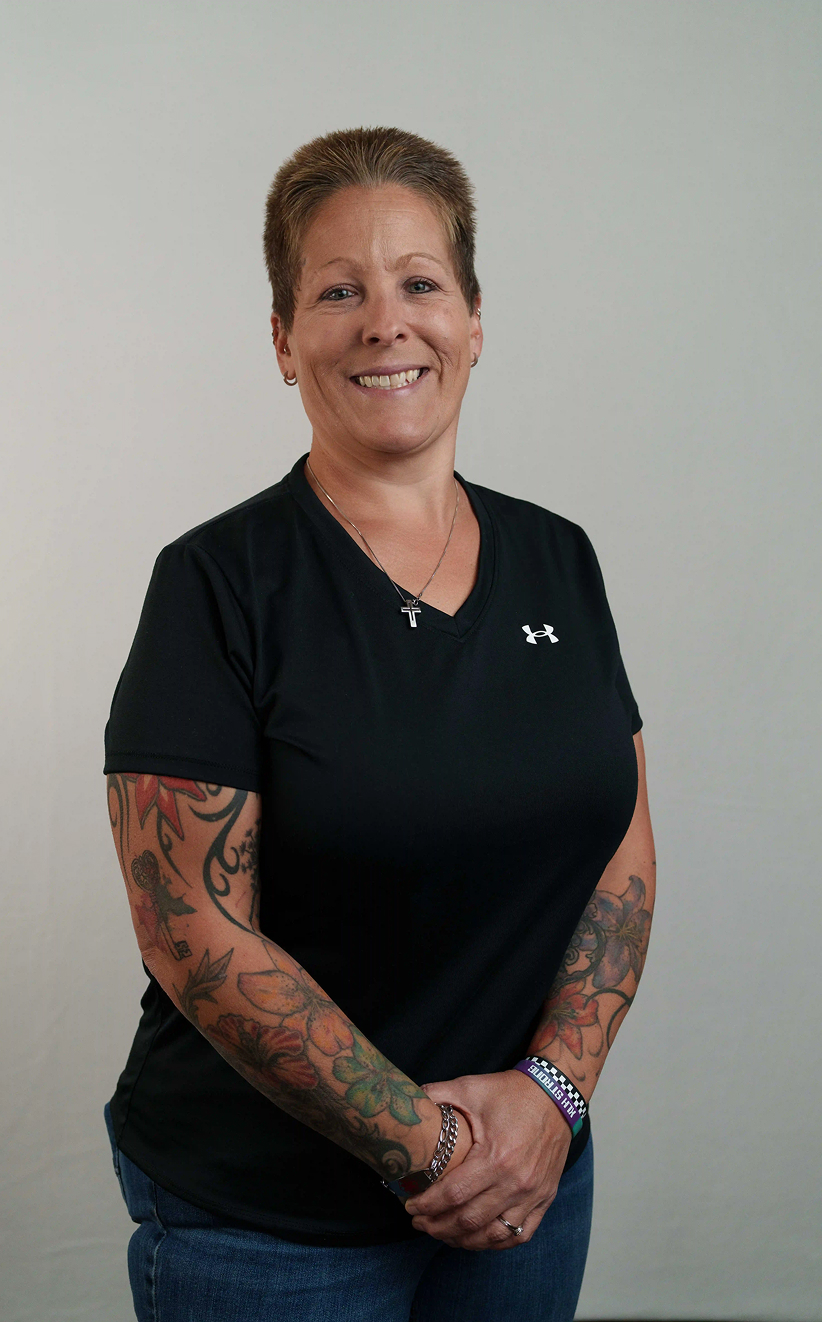
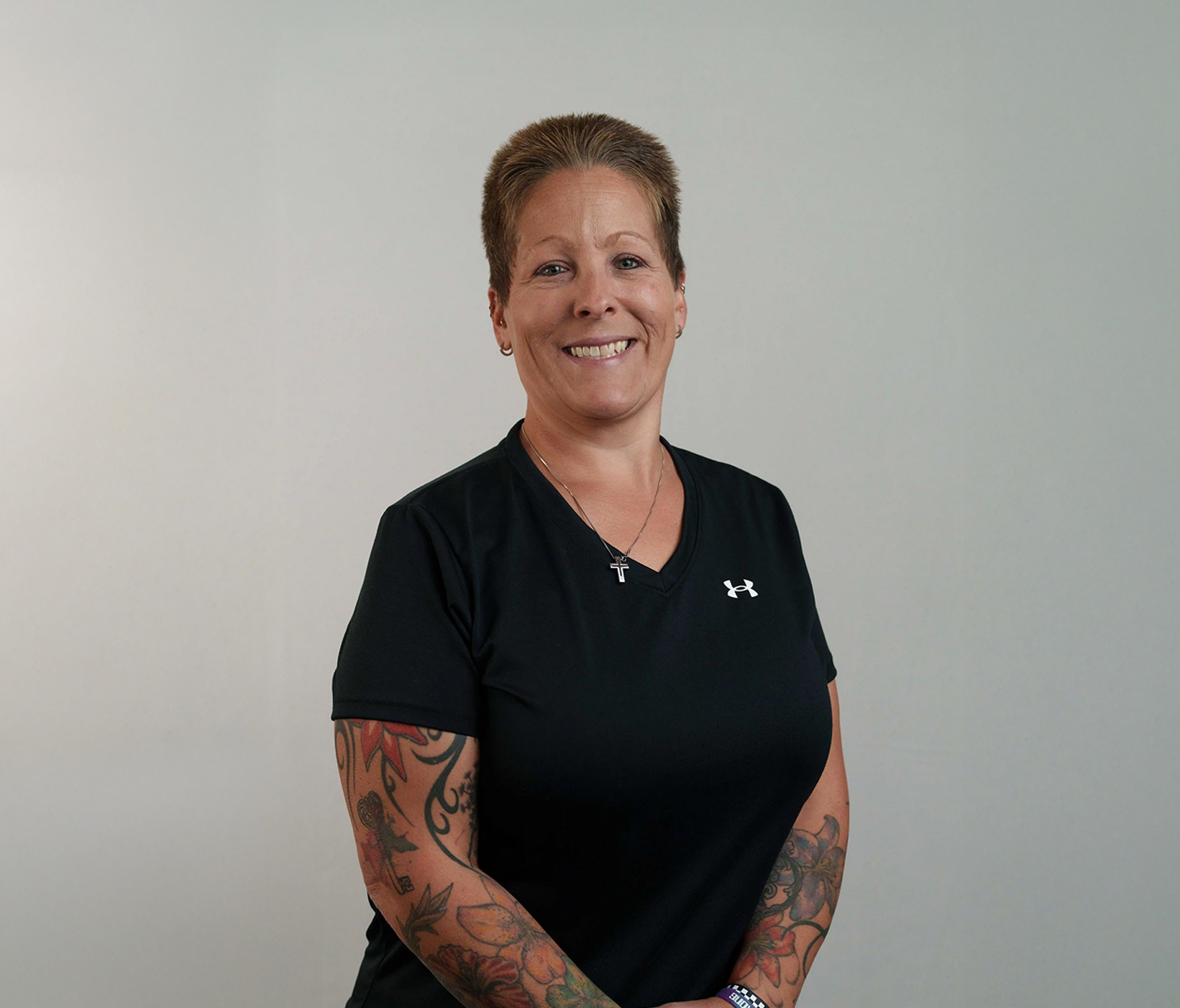
Kate
Living with XLH
Finding XLH Providers
Finding knowledgeable, trusted doctors is a priority for adults and children with XLH, according to the XLH Community Impact Survey.1Children’s Hospital Association
This tool is offered to assist in locating children’s hospitals. Hospitals listed in this directory have not received nor have they been provided any fees or remuneration for their inclusion. Kyowa Kirin and the XLH Network do not endorse or recommend any hospitals included on the list. This list is not comprehensive and may not be updated as hospitals opt in or out of the directory.
NORD Rare Disease Centers of Excellence
This tool is offered to assist in locating rare disease centers of excellence identified by NORD. Care providers listed in this directory have not received nor have they been provided any fees or remuneration for their inclusion. Kyowa Kirin and the XLH Network do not endorse or recommend any care providers included on the list. This list is not comprehensive and may not be updated as care providers opt in or out of the directory.
He specializes in XLH and is very knowledgeable about the disease and has other patients. He makes sure that I get my renal ultrasounds and is ahead of things sometimes. If something is hurting, he helps me get things to manage it.1
Management and Educational Goals
Individualized Care Plans
XLH symptoms can be different for each person and may change over time.32 That’s why it’s important to have a care plan made just for you or your child. A team of healthcare providers can help create and update this plan to meet your needs. This helps make sure your care team is aligned on your or your child’s care.
Setting management goals with your doctor or care team can inform the plan and make sure you/your child is getting the right care, even as things change.
Goals Differ for Each Person and Over Time
As you or your loved one gets older, goals for living with XLH may change. While each person’s priorities will differ, there are common themes for management and educational goals, such as:
- Working with the care team to optimize lab levels14
- Getting regular dental care39
- Strengthening physical and mental wellness including diet, appropriate exercise, and mental health support7
- Advocating for care that meets the needs of you or your loved one
- Finding trustworthy sources for up-to-date medical information
Children
Medical Management:
- Optimize lab levels14
- Manage rickets and osteomalacia14
- Address growth issues14
- Ongoing dental care39
- Support for social and mental health9
Education – For parents and children:
- Speaking up
- Awareness of XLH
- Importance of proactive care14
- Healthy lifestyle and mobility9
- Diet and nutrition9
- Appropriate physical activity and exercise13
Adolescents and Teens
Medical Management:
- Optimize lab levels14
- Manage rickets and osteomalacia14
- Address growth issues14
- Ongoing dental care39
- Support for social and mental health9
- Begin planning for transition of care to adult provider9
Education:
- Self-advocacy
- Knowledge of XLH, including signs and symptoms, medication, and risks
- Planning for transition of care9
- Healthy lifestyle and mobility38
- Diet and nutrition9
- Appropriate physical activity and exercise13
- Healthcare and the insurance systems9
- Disability and ADA resources40
Adults
Medical Management:
- Optimize lab levels15
- Manage osteomalacia14
- Manage pseudofractures and fractures15
- Manage bone pain and joint stiffness15
- Ongoing dental care39
- Support for social and mental health32
Education:
- Self-advocacy
- Knowledge of XLH, including risks and signs and symptoms
- Healthy lifestyle and mobility9,15
- Diet and nutrition9
- Appropriate physical activity and exercise13
- Family planning15
- Healthcare and the insurance systems9
- Disability and ADA resources40
Management Options
XLH care providers may prescribe medications, supplements, or other interventions to help manage XLH.14,15 It’s important to know that all management options can cause side effects. Always ask your doctor before you or your child starts or changes any management approaches for XLH. Management for XLH in children, teens, and adults can include**:Medications and supplements
Both prescription and over-the-counter medication are available to help manage XLH. Talk to your doctor to learn more about what may be best for you14-16
Orthopedic Surgery
To address bone-related symptoms of XLH, such as straightening bowed legs or replacing joints, among others13
Physical and occupational therapy
To help reduce pain, improve bone, muscle, and joint function, and improve ability to perform daily activities14,37
Pain management
To help manage XLH-related pain14
Dental care
To reduce the risk and address dental abscesses and infections.
Navigate to the dental care section for more information36
There are other things that can help a person navigate life with XLH. An appointment with an occupational therapist can help in identifying the aids and adaptive tools to help with daily activities.34
Navigate to Daily Living with XLH to learn about aids and adaptations in daily life.
Learn more about mental health care in the mental health section on Fostering Health and Wellness.
Dental Care: Why it Matters for XLH
The same low phosphate levels that weaken bones can also make teeth more prone to dental problems.14 That’s why dental care is an important part of managing XLH at every age.14,15Children
Dental Signs in Children
Dental signs are common and can occur early in childhood, according to the XLH Community Impact Survey.1 The survey also reported that 75% of caregivers (n=20) reported their child experienced at least 1 dental issue such as:1
- Cavities
- Poor enamel
- Slow to get teeth
- Abscesses
It is important to remain alert for dental abscesses, which can:
- Affect many children with XLH.26
- Cause pain, swelling, and if untreated, potentially serious infections.41
- Often appear without obvious symptoms, like cavities, making them harder to detect.39
Ways to promote dental health in children with XLH include:
- Having good oral hygiene at home from a very young age.42 This includes brushing and flossing after meals and avoiding sticky/sugary foods.42
- Dental check-ups every 6 to 12 months starting in early childhood, including a professional teeth cleaning, can help spot problems early and prevent them from becoming more serious.14,39
- Potentially receiving sealants from a dentist that prevent bacteria from entering small cracks in the teeth and causing infections.39
Adults
Dental Signs in Aduts
Dental symptoms are also common in adults with XLH. In the XLH Community Impact Survey, 97% of adults (n=36) reported at least 1 dental issue such as:
- Cavities
- Abscesses
- Early tooth loss
- Poor enamel
It is important to remain alert for dental abscesses, which can:
- Occur more frequently among adults with XLH compared to children with XLH.26
- Cause pain, swelling, and if untreated, potentially serious infections.41
- Often appear without obvious symptoms, like cavities, making them harder to detect.39
Ways to promote dental health in children with XLH include:
- Having good oral hygiene at home from a very young age.42 This includes brushing and flossing after meals and avoiding sticky/sugary foods.42
- Seeing a dentist to screen for periodontitis, or gum disease.15Left unmanaged, this can lead to tooth loss, though the severity varies from person to person.39
- Potentially receiving sealants from a dentist that prevent bacteria from entering small cracks in the teeth and causing infections.39
- Dental check-ups at least once per year, including a professional teeth cleaning, can spot problems early and prevent them from becoming more serious.15,39
Finding the Right Dentist
Regular dental checkups are critical for XLHers.14,15 So is finding a dentist who knows about XLH or is willing to learn about dental-related care for the condition.1 It can also be important to find a dentist who you are able to build a productive, positive relationship with.
Before seeing a new dentist, let them know you or your child has XLH and offer to share information about XLH.
- If the new dentist doesn’t know about XLH and seems like they don’t want to learn about it, or you struggle to build a good relationship with the dentist, it’s okay to look for another dentist.
- If your dentist is interested in learning more, you can share this brochure about the dental impacts of XLH to get them started.
Watch this video featuring Dr. Raghbir Kaur, a pediatric dentist, on how to advocate for dental care.
The dentist didn’t know about XLH when we first went, but the more that we go over the years, she is more understanding of what is going on with my child’s teeth, the decay issues and soft teeth, and she relates it back to XLH.1
Caregiver of child XLHer, responded to XLH Community Impact Survey
Prevention! Prevention! Prevention!
Dentists can share ways to protect teeth in people with XLH. Always ask the dentist what’s right for you.
Dental Care May Be a Medical Necessity for XLH
It can be hard to get insurance to cover XLH-related dental care. Your dentist may consider sending a letter to the insurance company explaining why dental care is important in your case and that the dental problems are due to XLH.
Find a sample letter that can be shared with a dentist here.
This information is provided for educational purposes only and is not meant as professional advice or to replace a consultation between you and your healthcare provider. Please consult your healthcare provider for individualized questions and support.
References
- Data report from 2024 XLH Community Impact Survey and Interviews. Kyowa Kirin, Inc. and The XLH Network. August 2024.
- Uday S., et al. Delayed diagnosis of X-linked hypophosphatemia in the absence of family history: a global unmet need. JBMR Plus. 2025;9(12):ziaf158. Published October 7, 2025. doi:10.1093/jbmrpl/ziaf158.
- X-linked hypophosphatemia (XLH). Endocrine Society. January 24, 2022. www.endocrine.org/patient-engagement/endocrine-library/x-linked-hypophosphatemia
- Carpenter, C., at al. A clinician’s guide to X-linked hypophosphatemia. J Bone Miner Res. May 2, 2011. doi: 10.1002/jbmr.340.
- Centers for Disease Control and Prevention. Fibromyalgia. January 6, 2020. www.cdc.gov/chronic-disease/fibromyalgia/index.html.
- Giannini S, et al. Burden of disease and clinical targets in adult patients with X-linked hypophosphatemia. a comprehensive review. Osteoporos Int. 2021;32(10):1937-1949. doi:10.1007/s00198-021-05997-1.
- Centers for Disease Control and Prevention. Rheumatoid arthritis. July 27, 2020. www.cdc.gov/arthritis/rheumatoid-arthritis/index.html.
- Böckmann I, Haffner D. The diagnosis and therapy of XLH. Calcif Tissue Int. 2025;116(1):66. April 28, 2025. doi:10.1007/s00223-025-01374-w.
- Dahir K., et al. Health care transition from pediatric- to adult-focused care in X-linked hypophosphatemia: expert consensus. J Clin Endocrinol Metab. November 6, 2021. doi:10.1210/clinem/dgab796.
- Hamilton, A., et al. Whole body, whole life, whole family: patients’ perspectives on X-linked hypophosphatemia. J Endocr Soc. June 13, 2022. doi: 10.1210/jendso/bvac086.
- Rothenbuhler, A., et al. Diagnosis, treatment-monitoring and follow-up of children and adolescents with X-linked hypophosphatemia (XLH). Metab. Clin. Exp. 2020. doi: 10.1016/j.metabol.2019.03.009.
- EveryLife Foundation for Rare Diseases. The cost of delayed diagnosis in rare disease: a health economic study. September 14, 2023. everylifefoundation.org/delayed-diagnosis-study/.
- Haffner, D., et al. Clinical practice recommendations for the diagnosis and management of X-linked hypophosphataemia. January 15, 2025. Nat Rev Nephrol 21, 330–354 (2025). https://doi.org/10.1038/s41581-024-00926-x.
- Ali DS., et al. X-linked hypophosphatemia management in children: an international working group clinical practice guideline. J Clin Endocrinol Metab. Published online February 17, 2025. doi: https://doi.org/10.1210/clinem/dgaf093.
- Khan, A, et al. X-linked hypophosphatemia management in adults: an international working group clinical practice guideline, J Clin Endocrinol Metab, Volume 110, Issue 8, August 2025, Pages 2353–2370, https://doi.org/10.1210/clinem/dgaf170.
- Dahir, K., et al. X-linked hypophosphatemia: a new era in management. J. Endocr. Soc. October 14, 2020. doi: 10.1210/jendso/bvaa151.
- Steininger, J. et al. Inadequate pediatric reference ranges impede the diagnosis of X-linked hypophosphatemia and hypophosphatasia in Austria. Wien Klin Wochenschr 137, 764–767 (2025). doi.org/10.1007/s00508-025-02546-2.
- Calcium phosphate mineral. Science Direct. N.D. www.sciencedirect.com/topics/earth-and-planetary-sciences/calcium-phosphate-mineral.
- Medline Plus. Vitamin D test: MedlinePlus lab test information. Medlineplus.gov. 2017. medlineplus.gov/lab-tests/vitamin-d-test.
- Fukumoto S. Phosphate metabolism and vitamin D. Bonekey Rep. 2014 Feb 5;3:497. doi: 10.1038/bonekey.2013.231. PMID: 24605214; PMCID: PMC3944128.1
- Ross A, Et al. Dietary Reference Intakes for Calcium and Vitamin D. Institute of Medicine (US) Committee to Review Dietary Reference Intakes for Vitamin D and Calcium; 2011. www.ncbi.nlm.nih.gov/books/NBK56061
- Mayo Clinic. Creatinine test. Mayo Clinic. 2023. www.mayoclinic.org/tests-procedures/creatinine-test/about/pac-20384646.
- Guo, Y., Yuan,Q. Fibroblast growth factor 23 and bone mineralisation. Int J Oral Sci. February 2015. doi: 10.1038/ijos.2015.1.
- Mayo Clinic Laboratories. Parathyroid hormone. 2025.
- Acar S, Demir K, Shi Y. Genetic causes of rickets. J Clin Res Pediatr Endocrinol. 2017;9(Suppl 2):88-105. doi:10.4274/jcrpe.2017.S008.
- Skrinar, A., et al. The lifelong impact of X-linked hypophosphatemia: results from a burden of disease survey. J Endocr Soc. May 7, 2019. doi: 10.1210/js.2018-00365.
- MedlinePlus. What is genetic testing? medlineplus.gov. July 28, 2021. medlineplus.gov/genetics/understanding/testing/genetictesting.
- Conner P, Gurd D. Treating idiopathic genu valgum (knock knees). Cleveland Clinic. November 7, 2024. consultqd.clevelandclinic.org/treating-idiopathic-genu-valgum-knock-knees.
- Bowed legs - genu varum. The Royal Children’s Hospital Melbourne. N.d. www.rch.org.au/ortho/for_health_professionals/Bowed_legs_%E2%80%93_genu_varum/.
- Genetic counselor. Mayo Clinic. N.d. college.mayo.edu/academics/explore-health-care-careers/careers-a-z/genetic-counselor/
- Wang C, et al. An adult patient of X-linked hypophosphatemia with joint manifestation mimicking spondylarthritis. Chin Med J (Engl). 2022;135(10):1255-1257. Published 2022 May 20. doi:10.1097/CM9.0000000000002000.
- Seefried, L., et al. XLH Matters 2022: Insights and recommendations to improve outcomes for people living with X-linked hypophosphataemia (XLH). Orphanet J Rare Dis. October 27, 2023. doi: 10.1186/s13023-023-02883-3.
- Cleveland Clinic. Endocrinologist: what is it & what do they do. Cleveland Clinic. 2022. https://my.clevelandclinic.org/health/articles/22691-endocrinologist.
- What is a geneticist? Cleveland Clinic. August 21, 2024. my.clevelandclinic.org/health/articles/geneticist.
- Cleveland Clinic. Rheumatologist. October 30, 2024. my.clevelandclinic.org/health/articles/22335-rheumatologist.
- What is an audiologist? Johns Hopkins Medicine. N.D. www.hopkinsmedicine.org/health/conditions-and-diseases/hearing-loss/what-is-an-audiologist.
- Massachusetts College of Pharmacy and Health Sciences. Occupational therapy vs physical therapy. May 30, 2024. www.mcphs.edu/admission-and-aid/blog/occupational-therapy-vs-physical-therapy.
- RareDisease.net. Doctors and specialists who treat X-linked hypophosphatemia. April 2025. raredisease.net/clinical/doctors-x-linked-hypophosphatemia.
- Okawa R., et al. Dental manifestations and oral management of X-linked hypophosphatemia. Endocrines. 2022;3(4):654-664. doi:https://doi.org/10.3390/endocrines3040056.
- The ADA National Network. Learn about the National Network. N.d. adata.org/national-network.
- Yousefi Y, et al. Periodontal abscess. StatPearls [Internet]. Treasure Island (FL): StatPearls Publishing; 2025 Jan. PMID: 32809460.
- American Dental Association. Brushing your teeth. Mouthhealthy.org. 2022. www.mouthhealthy.org/all-topics-a-z/brushing-your-teeth.