Preparing for Key Transitions
Read this section for information about preparing for key medical and life transitions.

What are Transitions?
Transitions are life changes. These can include things like:- Being diagnosed with a rare or chronic condition
- Becoming a teenager or older adult
- Becoming independent
- Starting to manage one’s own care
- Moving out of your parent’s home
- Going to college
- Starting a job or a family
- Finding a new doctor

These transitions can be overwhelming, especially for people living with a rare, lifelong condition like XLH.
Planning ahead, learning about available resources, connecting with others who can share guidance or personal experiences can help make sure that everyone is ready when it’s time for a big change.
Preparing for the Move to Adult Care
XLH is a lifelong, progressive disease.1 That’s why it is important for young people with XLH to2:
Hear from an XLH expert and an individual with XLH about care transitions.
These changes can be difficult for a number of reasons:
- Each child is different and will learn how to take care of themselves, speak up about symptoms or challenges, and navigate the health system at different times.2
- Parents may have different perspectives on when their child is ready to start learning about and sharing responsibility for managing aspects of care.
- Patients and families often develop close relationships with their pediatric care team. It can be hard to say goodbye to a trusted and familiar healthcare provider who has cared for a child and family for many years, helped them through difficult experiences, or cheered them on along the way.
- It can be challenging to find doctors who have experience with XLH or are willing to learn about the condition and care for new patients.3

I was discharged from care when I was 22. I was told that I didn’t need care anymore and that it was a childhood disease. I didn’t get care again until probably my early forties, and by then I had a lot of damage. I didn’t really understand that it was a progressive disease until I was in my forties.
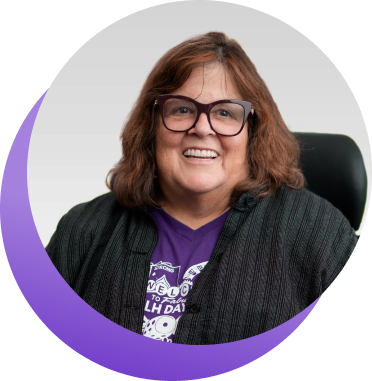
Susan Faitos
Executive Director of the XLH Network, Living with XLH
Finding the right doctor is a key part of the medical transition. But it’s also important for young XLHers to learn age-appropriate information such as2:
- The symptoms of XLH and how they can change over time
- Managing daily life with XLH
- How to communicate effectively with doctors, advocate for your own care, and speak up to ensure your needs are met
- How to make appointments with doctors and access medications
- The healthcare system and insurance, including how to access and use these systems via portals
The next section offers more information about how to prepare for moving to adult care as children grow.
Looking for more information about XLH and XLH care over time?
Check out the Understanding XLH chapter to find information about how XLH may change over time
Understanding XLH
Visit the Monitoring XLH chapter to learn about managing and monitoring XLH throughout the journey.
Monitoring XLH
Making the Transition to Adult Care
Starting the preparation for transition from pediatric to adult care early is important.2 In fact, experts recommend starting care transition planning as early as age 12, with the goal of full adult healthcare from age 18 to the early 20s.2
This timeline offers actions to consider as children grow into young adults.
Everyone’s timeline is different.2 Some children may be able to or want to start earlier.2 Some may be older than 18 when they start seeing adult doctors.2

Age 12+ — Getting started with education and planning
For parents and caregivers:- Provide resources and encourage pre-teens and teens to learn about and take ownership of XLH as they grow.2
- Determine at what age children have the right to privacy or consent in their care as this can vary by state.4 This includes access to health care portals and what parents are able to access and see.5
- Start including your child in their own care planning, including input into some decisions2
- Helpful questions for parents to ask their child’s doctor:
- What does my child need to learn to get ready to care for themselves?
- When should my child start to meet with you alone for part of the visit?
- Learn
- How to speak up and ask questions during doctor’s appointments4
- What it means to take care of one’s health4
- About XLH and its symptoms2
For more information, visit the Understanding XLH chapter.
Age 14+ — Learning the basics
For parents and caregivers:
- Empower teens to learn about and take ownership of XLH as they grow, focusing on2:
- Speaking up about their symptoms
- Starting to think about life and medical care goals
- Learning how to take an active role in XLH management including medical appointments
For more information, visit the Diagnosing and Managing XLH chapter.
- Understand when privacy and consent laws may require that medical decisions be made by the teenager in the process of becoming a young adult4
- Helpful questions for parents to ask their child’s doctor:
- At what age does my child need to change to seeing a doctor who treats adults?
- Can you recommend specialists for adult patients who are knowledgeable about XLH and willing to accept new patients?
- What self-care skills does my child need to learn?
- Learn
- How to talk about symptoms2
- How to start setting life and medical care goals2
- How to schedule a doctor’s appointment4
- What to do in case of a health emergency4
- About the genetic causes of XLH2
- About resources and community support2
For more information about genetic causes, visit the Understanding XLH chapter.
For more information about resources and community support, visit the Daily Living with XLH chapter.
- Begin to track and understand XLH monitoring test results2
When I turned 16, the doctors started focusing on me and the questions were primarily aimed at me, not my parents.

Karabeth
Living with XLH
Age 17+ — Actively managing XLH, with guidance
For parents4:
- Empower and provide resources for teens to continue taking an active role in their care
- Engage teens in their healthcare decisions
- Start making doctor’s appointments and refilling prescriptions with your teen
- Helpful questions for parents to ask their child’s doctor:
- Before my child turns 18, what do we need to learn about privacy and consent as it relates to my child’s healthcare?
- Can we work together to prepare medical summary and an emergency plan for my child?
For teens:
- Work with the doctor to understand
- Timing for the move to adult care2
- Important medical history information to provide to the doctor treating adult patients with XLH4
- Approach for continuing care4
- Begin making doctor appointments and refilling prescriptions, with caregiver guidance4
- Research doctors who provide adult care, their office locations, and the insurance they accept, with caregiver guidance5
- Connect with advocacy organizations like the XLH Network and others that can provide helpful resources and support2
For more information, visit the Daily Living with XLH chapter.
- Ask doctors questions like:
- What types of doctors will I need to see when I move to adult care?
- Can you recommend adult specialists who are knowledgeable about XLH and willing to accept new patients?
- Will my XLH care plan change as I transition to adult care?
Ages 18-26 — Taking ownership of care
- Check in with adult children to make sure they are continuing their care4
- Teach adult children about health insurance and medical bills5
- If they switch insurance, encourage them to make sure their doctor accepts their new health insurance4
- Ask doctors questions such as:
- Will you send my child’s health history summary to their new doctor?
- Will you communicate with the adult doctor if needed?
- How will my child receive care for XLH while they’re at college?
- Ask young adult children questions such as:
- How would you like me to be involved in your care?
- Do you need help?
- What is going well?
- Prepare with current doctor for move to adult care
- Understand how to continue sharing your medical and insurance information with your parents once you turn 18, if you choose to do so.4
- Continue to see the current doctor every 6 to 12 months as recommended6
- Fill any prescriptions regularly5
- Talk openly with doctors about health concerns and XLH care
- Understand how health insurance works and always keep a copy of insurance cards4,5
- Remember, after turning 26 people can’t be on their parent’s health insurance.7 Research insurance options before you turn 26 to avoid an insurance coverage gap.
For more information about health insurance, see the Daily Living with XLH chapter.
- Ask pediatric doctors questions such as:
- Would you be willing to have a shared visit with my new adult doctor or contact them before the first visit?
- How will my medical records be shared with the new doctor?
I started taking over the conversations with my doctors because as you get older, you start to understand your body a lot more and do not need to rely on what other people notice about your body.

Trinity
Living with XLH
Ease the transition with a warm handoff
A warm handoff is a meeting with an XLHer and their pediatric and adult doctors.8 Parents/caregivers can join too but need to be invited to attend. These meetings can help everyone have an open conversation about past and future care and any specific needs.
I wish they would’ve had packets of information for those aging out and transitioning to adult care. I thought I was fixed and didn’t really learn enough to know. Having the emphasis on how important it is would have been a big help to not let things keep going downhill.
Individual with XLH, responded to XLH Community Impact Survey3
Check out these resources*:
Find Doctors who see adult XLH patients:
XLH Specialist Finder
XLH Network Doctor Database
Transition support for caregivers, teens, and young adults with XLH:
Child Neurology Foundation – 8 Common Principles to Assist with the Transition of Care
XLH Link – Planning for the Future with XLH
Got Transition – A Family Toolkit: Pediatric to Adult Health Care Transition
Global Genes Rare Toolkit: Navigating the U.S. Health System for Young Adults
Life Transitions
Changing doctors is not the only transition that happens when a person becomes an adult. College, relationships, work, and moving to a new home are just a few of the exciting changes adults may experience.
Click on the tabs below to learn more about these transitions and how to navigate them with XLH.
Changing insurance
People who are on their parent’s health insurance must get their own plan before they turn 26.7
- Some people have the option of getting insurance through their job.9 It’s worth checking with employers about when enrollment is available.9
- Other options can include:
- Purchasing coverage on a Health Insurance Marketplace at Healthcare.gov.
- Applying for Medicaid if one has a limited income. Visit Medicaid.gov to learn more about Medicaid eligibility in different states.
To get the full benefit of health insurance, it’s important to see doctors that are in-network.10 For doctors that are not in-network, a person would need to pay more money out-of-pocket to see them.10
Looking for more information about health insurance? Visit the Daily Living with XLH chapter.
Daily Living with XLH
Use the XLH Specialist Finder to find care near you and ask if the doctor takes your insurance.
Learn More
Going to college
Colleges may provide accommodations to improve access to education. Examples of accessibility accommodations may include:- Extra time to get to class
- Considerations for hearing issues
- Make-up lessons if classes need to be missed, for medical visits or other needs
- Accessible parking permits
Hear from an individual with XLH who discusses her own experiences seeking accommodations in college.
Finding and starting a new job
Living with a chronic condition like XLH can make it harder to find a job that fits a person’s abilities, comfort, and long-term health needs.
Resources exist to provide services and guidance to support people who may need accommodations as they explore job options and prepare for employment. Each state has a vocational rehabilitation agency. To find the contact information for the agency in each state, visit the Rehabilitation Services Administration website.
Learn More
To learn more about workplace accommodations for people with disabilities, visit Daily Living with XLH chapter.
Daily Living with XLH
- Employers typically offer insurance through a group plan, which is open to all eligible employees.9
- Health insurance benefits might be an important consideration when searching for a job.
To learn more about health insurance, see the Daily Living with XLH chapter.
Daily Living with XLH
Dating
Meeting someone and dating is an exciting time. Some XLHers may feel worried about how the person they’re dating may react to their condition.
Remember, many people with XLH date. In fact, there are resources featuring people with rare conditions discussing dating and relationships.*
Global Genes – Love is in the Rare
- Offers tips about love and dating from the rare disease community
Global Genes – The Stigma of Rare Disease
- Provides guidance on when to talk about your rare condition
Creaky Joints – A Sick Girl’s Guide to Navigating Dating with a Chronic Illness
- Discusses advice and lessons learned while dating and managing a lifelong condition
Family planning
XLH is a genetic condition.11 That means it can be passed from a parent to their child.12,13 When it comes time to think about having children, it is important to understand how XLH is passed down.To learn more, visit the genetic differences section in Understanding XLH.
Understanding XLH
Genetic counselors can be resources for family planning.14 Visit the genetic counseling section of Managing XLH to learn more.
Managing XLH
Hear from other people living with rare conditions as they discuss considerations for starting a family:*
Global Genes – Women with Rare Disease: The Reproductive Years
- This blog discusses
- Challenges
- Pregnancy and delivery
- Motherhood
- Caring for a family
NORD 2023 Rare Living Forum – Rare in the Family: Family Planning and Decision-making
- Rare parents discuss family planning considerations including
- Medical
- Social
- Psychological
- Financial
XLH over 50
As people age, they go through major life transitions – such as career changes, retirement, and shifts in physical health – along with many other personal changes. According to AARP, about one in three adults between the ages of 50 and 80 say they experience loneliness or social isolation.15
When I was younger, I was still pretty social and able to engage, but I couldn’t take part in sports or anything like that. Now that I’m older, I’m having a difficult time and it’s because of my hearing and the mobility issues. It’s hard to meet people when you can’t hear what they’re saying.
Susan Faitos
Executive Director of the XLH Network,
Living with XLH
As a person ages, they experience physical changes to their body. XLHers also have to navigate changes due to XLH on top of the aging process. Get ahead by learning more about transitioning health insurance coverage to Medicare and finding other supports that can help later in life.
Visit the Health and Wellness section for more information on managing mental health and physical wellbeing.
Health and Wellness
People often develop close relationships with their care team. It can also be challenging to find a healthcare provider knowledgeable about XLH who isn’t too far away.3 As a result, when a trusted healthcare provider retires, it might feel overwhelming to find another provider, but it is important to continue receiving care.
These resources available to help adults living with rare conditions navigate aging:*
NORD – Aging with a Rare Condition
- This Living Rare Forum discussion features
- Stories of people living with a rare condition
- Strategies for getting the most out of life
NORD – Claim Your Care
- A resource about
- Medicare
- Navigating appeals and denials
- Using your Medicare card
Eosinophilic & Rare Disease Cooperative – Medicare for Rare Disease
- A collection of videos covering
- Navigating Medicare
- Part B and prior authorization
- Part C – Medicare Advantage
- Part D
- Medigap/Supplemental
NORD – Changes to Medicare for 2025 and Beyond: Important information for the Rare Disease Community Ahead of Open Enrollment
- Provides considerations for people living with rare conditions and updates on changes to Medicare
State Health Insurance Assistance Program (SHIP)
- SHIP provides information on
- How to apply for Medicare
- Understanding coverage
- Medicare costs
For more information about health insurance, including Medicare visit the Daily Living with XLH chapter and see more resources below.
Daily Living with XLH
Visit the Daily Living with XLH chapter for information on aids and adaptations that may help with daily living.
Daily Living with XLH
This information is provided for educational purposes only and is not meant as professional advice or to replace a consultation between you and your healthcare provider. Please consult your healthcare provider for individualized questions and support.
References
- Hamilton, A., et al. Whole body, whole life, whole family: patients’ perspectives on X-linked hypophosphatemia. J Endocr Soc. June 13, 2022. doi: 10.1210/jendso/bvac086.
- Dahir K., et al. Health care transition from pediatric- to adult-focused care in X-linked hypophosphatemia: expert consensus. J Clin Endocrinol Metab. November 6, 2021. doi:10.1210/clinem/dgab796.
- Data report from 2024 XLH Community Impact Survey and Interviews. Kyowa Kirin, Inc. and The XLH Network. August 2024.
- Got Transition. A family toolkit: pediatric-to-adult health care transition. Got Transition. www.gottransition.org/resource/?hct-family-toolkit.
- OHSU Doernbecher Children’s Hospital. Transition from pediatric to adult care. www.ohsu.edu/doernbecher/transition-adult-care.
- Khan, A, et al. X-linked hypophosphatemia management in adults: an international working group clinical practice guideline, J Clin Endocrinol Metab, Volume 110, Issue 8, August 2025, Pages 2353–2370, https://doi.org/10.1210/clinem/dgaf170.
- Getting your own health coverage when you turn 26. HealthCare.gov. www.healthcare.gov/turning-26.
- Sandquist M, Davenport T, Monaco J, Lyon ME. The transition to adulthood for youth living with rare diseases. Children. 2022;9(5):710. doi:https://doi.org/10.3390/children9050710.
- Claxton G, Rae M, Winger A. Employer-sponsored health insurance 101. Kaiser Family Foundation. October 2025. www.kff.org/health-costs/health-policy-101-employer-sponsored-health-insurance.
- U.S. Department of Health & Human Services. Health insurance basics. September 2023. www.cms.gov/files/document/nsa-health-insurance-basics.pdf.
- Carpenter, C., at al. A clinician’s guide to X-linked hypophosphatemia. J Bone Miner Res. May 2, 2011. doi: 10.1002/jbmr.340.
- Definition of genetics. Merriam-Webster. 2019. www.merriam-webster.com/dictionary/genetics.
- Definition of hereditary. Merriam-Webster. 2019. www.merriam-webster.com/dictionary/hereditary.
- National Society of Genetic Counselors. About genetic counselors. 2018. www.nsgc.org/page/frequently-asked-questions-students.
- Nania, R. Does being lonely make you age faster? AARP. March 20, 2024. aarp.org/health/conditions-treatments/loneliness-accelerates-aging.